
A couple in Montpellier walked out of a supermarket with nearly 1,000 euros worth of groceries, electronics, and premium alcohol — paying just 12 cents each time. The scheme worked because an insider was running the register, and another insider was neutralizing the security tags. It took several weeks before anyone noticed.
Retail theft is nothing new. But this case, which unfolded over several weeks in Montpellier, France, stands out for one reason: it was an inside job, meticulously coordinated across at least three people, two of whom were on the store's own payroll.
The couple at the center of this story didn't hack a system or exploit a software glitch. They exploited something far more dangerous — trust, and the gaps that come with it.
How the supermarket fraud scheme worked
The mechanics of the scam were straightforward, almost elegant in their simplicity. The couple would load a shopping cart with high-value merchandise: premium alcohol, video game consoles, electronics, and household appliances. Items that, individually, could run well into the hundreds of euros.
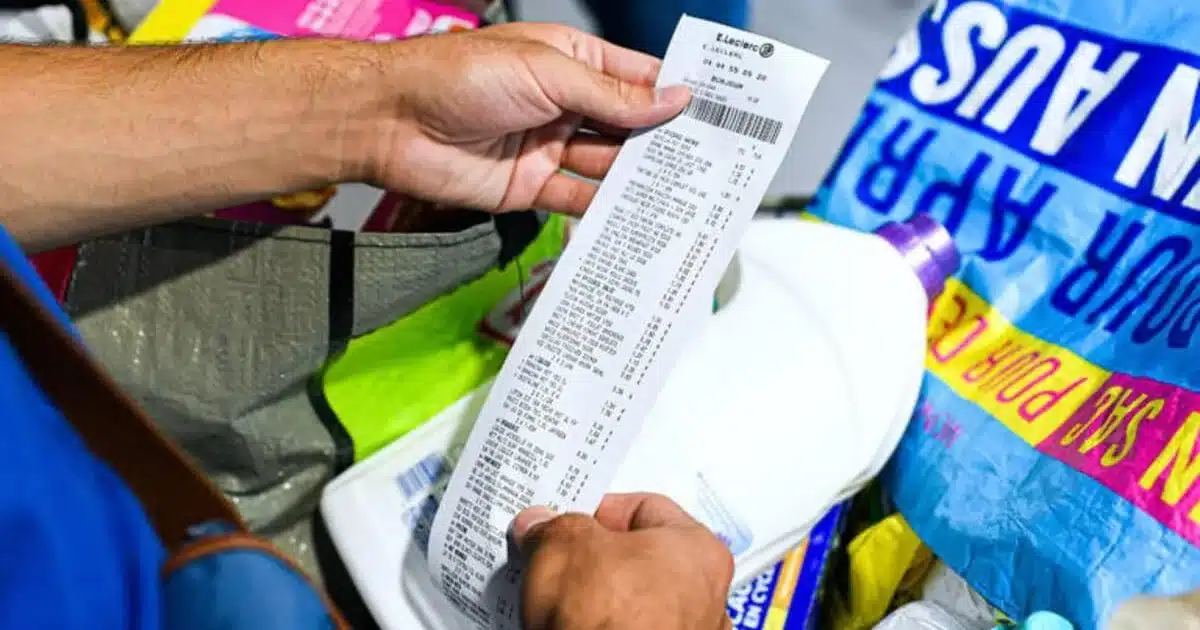
When they reached the register, the cashier, who was in a romantic relationship with one member of the couple, did not scan any of it. Instead, she scanned a single plastic bag, priced at 0.12 euros. That was the entire transaction. The receipt showed a bag. The cart held a small fortune.
The role of the security guard
But a cart full of expensive, unscanned merchandise still carries one problem: security tags. Most high-value retail items are fitted with anti-theft devices that trigger alarms at the store exit. This is where the third accomplice stepped in.
The security guard, also an employee of the supermarket, demagnetized the products before the couple reached the checkout. With the tags neutralized and the receipt showing only a bag purchase, the couple walked out without triggering a single alarm. There was no receipt check at the door — a gap in the store's exit protocol that the trio had clearly identified and counted on.
Three roles, perfectly divided: the cashier scanned only a plastic bag, the security guard demagnetized all high-value items, and the couple handled the shopping. No alarm, no receipt check, no suspicion — until surveillance footage caught up with them.
This wasn't a one-time opportunistic theft. The operation ran for several weeks, with the couple making repeated visits to the same store. Each time, the same routine. Each time, 12 cents at the register.
Discovery, arrest, and what investigators found
The scheme unraveled on June 21, when store staff noticed irregularities. Something in the sales records didn't add up — transactions that were suspiciously low, patterns that didn't fit normal shopping behavior. Management reviewed surveillance footage and cross-referenced it with sales logs.
What they found was damning. The footage showed the couple loading up, the cashier scanning a bag, and the security guard handling the merchandise before checkout. The evidence was consistent across multiple visits.
The home search and what it revealed
The couple was arrested immediately after their next visit to the store. Investigators then searched their home, and what they found there left little room for doubt. The property contained a significant quantity of stolen goods, still in their original packaging: bottles of premium alcohol, gaming consoles, and various electronic devices. None of it had been opened. Much of it appeared to have been stockpiled.
During questioning, the cashier admitted to her role and confirmed her romantic relationship with one of the suspects. The security guard was also implicated. All three now face charges of organized fraud, a classification that reflects the premeditated, coordinated nature of the operation rather than a simple act of shoplifting.
estimated value of merchandise stolen from the Montpellier supermarket over several weeks
The trial for all three accused is scheduled for September 11.
What this case exposes about retail security vulnerabilities
The Montpellier supermarket fraud case is a textbook example of how internal collusion defeats external security measures. Every layer of protection the store had in place — anti-theft tags, cashier oversight, a security presence — was neutralized from the inside.
This kind of fraud is notoriously difficult to detect precisely because it doesn't look like fraud. The cashier isn't pocketing cash. The security guard isn't carrying anything out the door. The couple is going through a legitimate checkout lane and receiving a receipt. From the outside, it looks like a normal transaction.
Retail analysts often point out that the weakest link in any loss prevention system isn't the technology — it's the human element. A motivated insider with access to the right position can circumvent systems that would stop any external bad actor cold. The absence of a receipt verification process at the store exit compounded the problem significantly. That single gap, combined with two compromised employees, was enough to sustain the scheme for weeks.
Organized retail fraud involving internal accomplices is classified differently from standard shoplifting under French law. The “organized fraud” charge carries heavier penalties and reflects the deliberate coordination between multiple parties.
Following the arrests, the supermarket launched a thorough review of its internal controls. The case has forced management to confront uncomfortable questions about employee vetting, exit verification procedures, and the oversight of staff in positions with direct access to both merchandise and security systems. Whether those reviews lead to meaningful structural changes remains to be seen — but the financial losses, while estimated at around 1,000 euros in merchandise, extend well beyond that figure when factoring in the reputational and operational costs of a fraud that went undetected for weeks.
The September 11 trial will determine the legal consequences for the cashier, her partner, and the security guard. But the store's vulnerability was already exposed long before the arrests — one plastic bag at a time, for 12 cents a visit. Much like financial misconduct in institutional settings more broadly, the damage here wasn't just monetary. It was a failure of internal accountability that allowed abuse to persist far longer than it should have.